
Subscribe and receive email notifications of new blog posts.
 RSS Feed
- 2026 | 33 Posts
- 2025 | 48 Posts
- 2024 | 48 Posts
- 2023 | 48 Posts
- 2022 | 48 Posts
- 2021 | 48 Posts
- 2020 | 51 Posts
- 2019 | 48 Posts
- 2018 | 29 Posts
8
How to Start a Compost Pile This Month
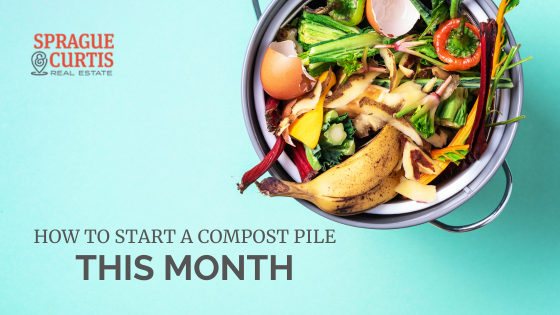
What better way to enrich your soil than with homemade compost? Composting is not just an eco-friendly way to minimize kitchen waste; it's also a boost for your garden that can help your plants thrive. Here's how to get started.
Understanding the Composting Process
Composting is the process of breaking down organic material into a dark, earthy, nutrient-rich substance. It's nature's way of recycling, and by setting up a compost pile, you're merely helping along a natural process. Composting can reduce your household waste, turning scraps and yard waste into something valuable for your garden.
Step 1: Choose Your Composting Method
The first step is to decide on a method that suits your space and needs. For those in Augusta with varying yard sizes, there are a few options:
- Open Piles: This method is as simple as it gets. Choose a discreet corner of your yard to start your pile. It's easy and requires no investment, but it's slower and can attract pests.
- Bins and Tumblers: Compost bins or tumblers are a more contained option. They speed up the composting process, keep pests out, and are tidier. You can buy one or DIY from various materials.
Step 2: Select Your Site
Your compost pile or bin should be easily accessible but out of the way. It needs a spot that's somewhat sheltered, with good drainage and partial sun. The warmth from the sun helps heat the pile, speeding up the composting process, but too much sun can dry it out.
Step 3: Gather Your Ingredients
Composting requires a balance of green (nitrogen-rich) and brown (carbon-rich) materials. Greens include kitchen scraps like vegetable peelings, coffee grounds, and fresh grass clippings. Browns can be leaves, straws, sawdust, and shredded paper. Avoid adding meat, dairy, diseased plants, and pet waste.
Step 4: Build Your Pile
Start with a layer of brown materials at the bottom to allow for drainage and aeration. Add a layer of green materials and then a thin layer of soil. Keep adding materials in alternating layers of greens and browns. A good ratio to aim for is about 3 parts browns to 1 part greens. Keep your pile moist, like a wrung-out sponge, and turn it every few weeks to aerate it and speed up the composting process.
Step 5: Maintenance and Usage
Your compost is ready when it looks and feels like rich, dark soil. This can take anywhere from a few months to over a year, depending on your method and how well you maintain the pile. Use it in your garden beds, for potting plants, or as a lawn top dressing.
Starting a compost pile is a simple, rewarding way to contribute to a healthier planet while enhancing your garden. For those considering moving to or within Augusta, ME, imagine the beautiful, fertile garden you can cultivate with your very own compost. Our real estate agents are well-versed in the local community and can help you find the perfect home, complete with space for your green endeavors.
Augusta's unique climate and community make it an ideal place to start composting. Whether you're an experienced gardener or just getting started, composting is a beneficial practice that rewards you and the environment alike. Contact us to explore Augusta homes for sale and to find more tips on sustainable living in this beautiful area.